



In 2025, what really makes a great flagship? Is it just a list of features like the quickest chipset, the cleanest software, the longest-lasting battery, the brightest and most vivid display, and adaptable cameras? While these are vital, the list has extended in today’s industry. Artificial intelligence (AI), for instance, has transformed from a buzzword into a staple inclusion anticipated in every high-end phone. Into this hyper-competitive scene steps the freshly announced OnePlus 15.
The OnePlus 15 price in India is set at Rs. 72,999 for the base variant with 12GB of RAM and 256GB of internal storage. However, the company’s decision to reduce some qualities in order to improve others has provoked intense controversy about its arrival. However, as we all know, specs on paper don’t necessarily convey the whole picture. Where the OnePlus 15 cuts corners and where it genuinely shines, I will explain in my review.
OnePlus 15 Design: Changed for the Better
- Dimensions — 161.4 x 76.7 x 8.1 mm
- Weight — 211 grams (Sand Storm)
- Colours – Infinite Black, Sand Storm, Ultra Violet
- IP66+IP68+IP69+IP69K is the ingress rating.
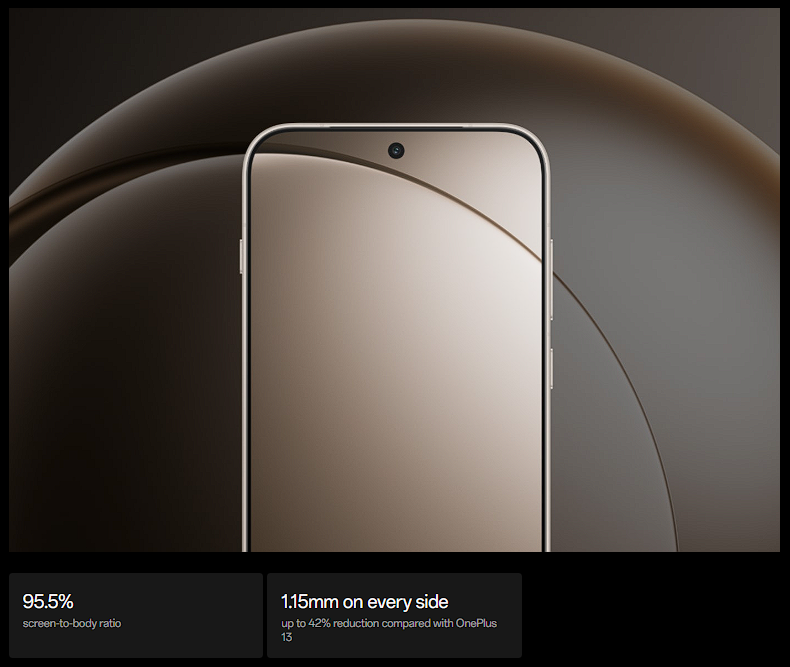
The OnePlus 15 has a completely new design, which is an improvement. The front and rear panels are completely flat, and all the curves are gone. One of the most underestimated benefits of this adjustment is that it should make it easier to find a screen protector for the phone. Because of its sharply rounded corners, the handset’s frame is similarly flattened, but not to the point where it begins to dig into your palms. The OnePlus 15 feels well-made in terms of usage. Because of its pleasant weight of 211g, you may handle it without feeling overly burdensome.
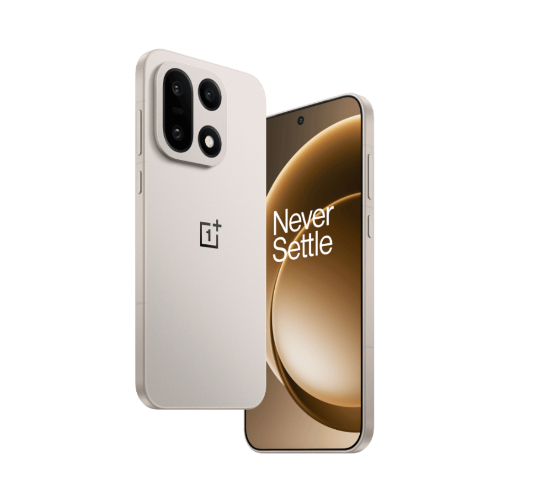
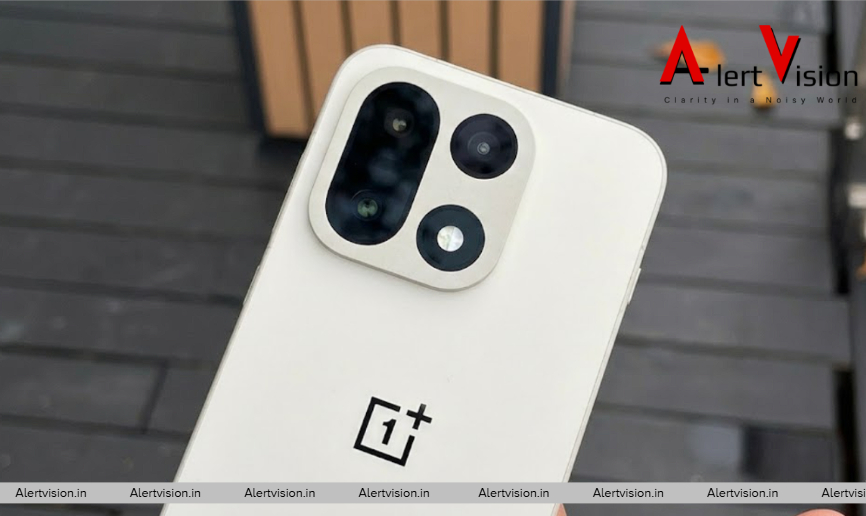
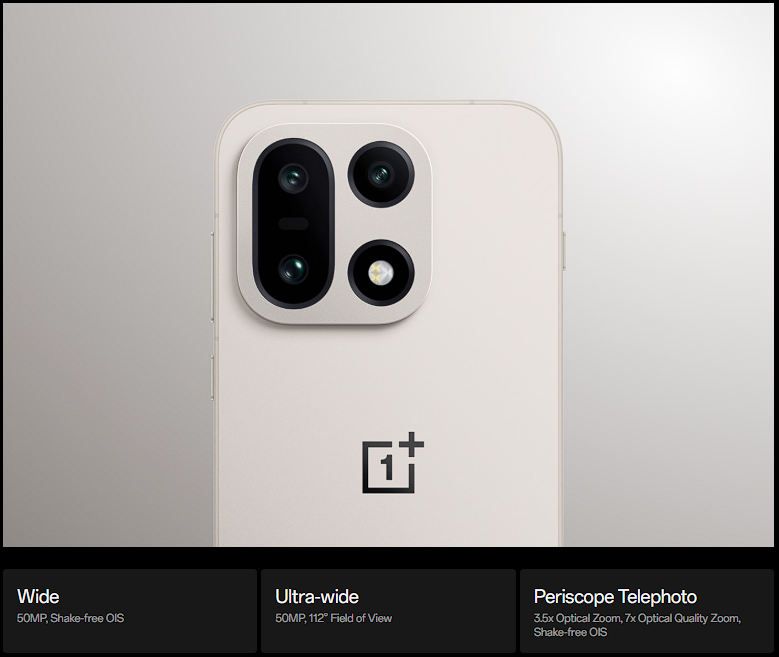
Another notable update is the camera deco of the OnePlus 15. It has a square camera island that is more aesthetically pleasing than the one on the recently released OnePlus 13s. This also makes the handset closer to its sister brand’s flagship models, the Oppo Find X9 series, in terms of look.
The OnePlus 15 is available in three colourways — Infinite Black, Sand Storm, and Ultra Violet, and all of them provide different styles. The Infinite Black makes it look like something that Batman would use, bearing the deepest black finish I’ve seen on a smartphone yet. Ultra Violet, on the other hand, has an iridescent color change and a lavender hue, making it the most colorful choice.
My personal choice, however, is the new Sand Storm shade, which also happens to be the lead option for the OnePlus 15. It is a rough substance with a mid-frame and camera deco treatment that is nearly equivalent to ceramic. It does not pick up any fingerprints or smudges.
The OnePlus 15’s Sand Storm color includes a fibreglass back, which makes it more robust than the other two finishes, which have Gorilla Glass Victus 2. Regarding durability, you can use it outdoors with greater confidence because it has an IP66+IP68+IP69+IP69K rating for dust and water resistance.

With the OnePlus 15, the firm has completed the shift from its alert slider to the Plus Key, a new button for calling the Plus Mind AI feature, on its latest smartphone lineup. While this move seems to be in line with the recent trend of having AI at the core, the alert slider was a very useful feature and a characteristic on OnePlus handsets. It is therefore regrettable that it was left out.
OnePlus 15 Display: A Mixed Bag
- Size and resolution – 6.78-inch 1.5K flexible AMOLED, 1,272 x 2,772 pixels
- Refresh rate – 165Hz
- Protection – Gorilla Glass Victus 2
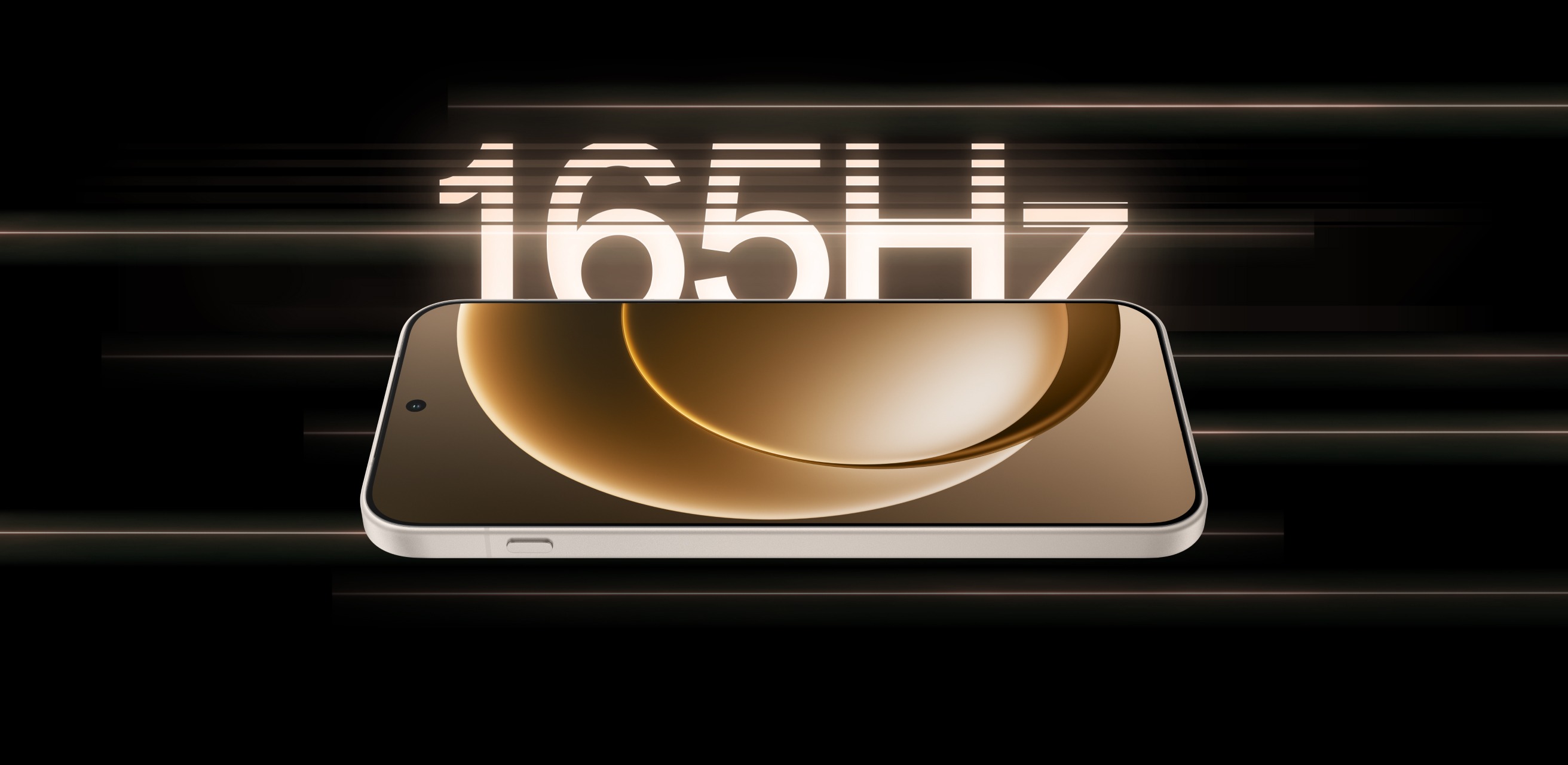
The display of the OnePlus 15, along with its cameras, has been at the focus of the argument. Over the years, the company has built its reputation on the quality of its screens, and the current flagship continues that torch, but not without caveats. Its 6.78-inch 1.5K (1,272 x 2,772 pixels) flexible AMOLED panel has a refresh rate of 165 Hz and a maximum brightness of 1,800 nits (HBM).
It is undeniably a OnePlus display, with bright colors, vibrant images, deep blacks, and a level of saturation that makes the interface pop. It is ideal for binge-watching content, with HDR and Widevine L1 certifications now being the core inclusions. The refresh rate of 165 Hz is a first for the company. As anticipated, it produces incredibly fluid animations when navigating the user interface, perusing the web, and scrolling through social media. Gamers also benefit from the brand’s native 165Hz support, which uses frame interpolation in Battlegrounds Mobile India, Call of Duty: Mobile, Real Racing 3, and a few other games. When playing first-person shooter games, the high refresh rate helps with precision aim and movement.
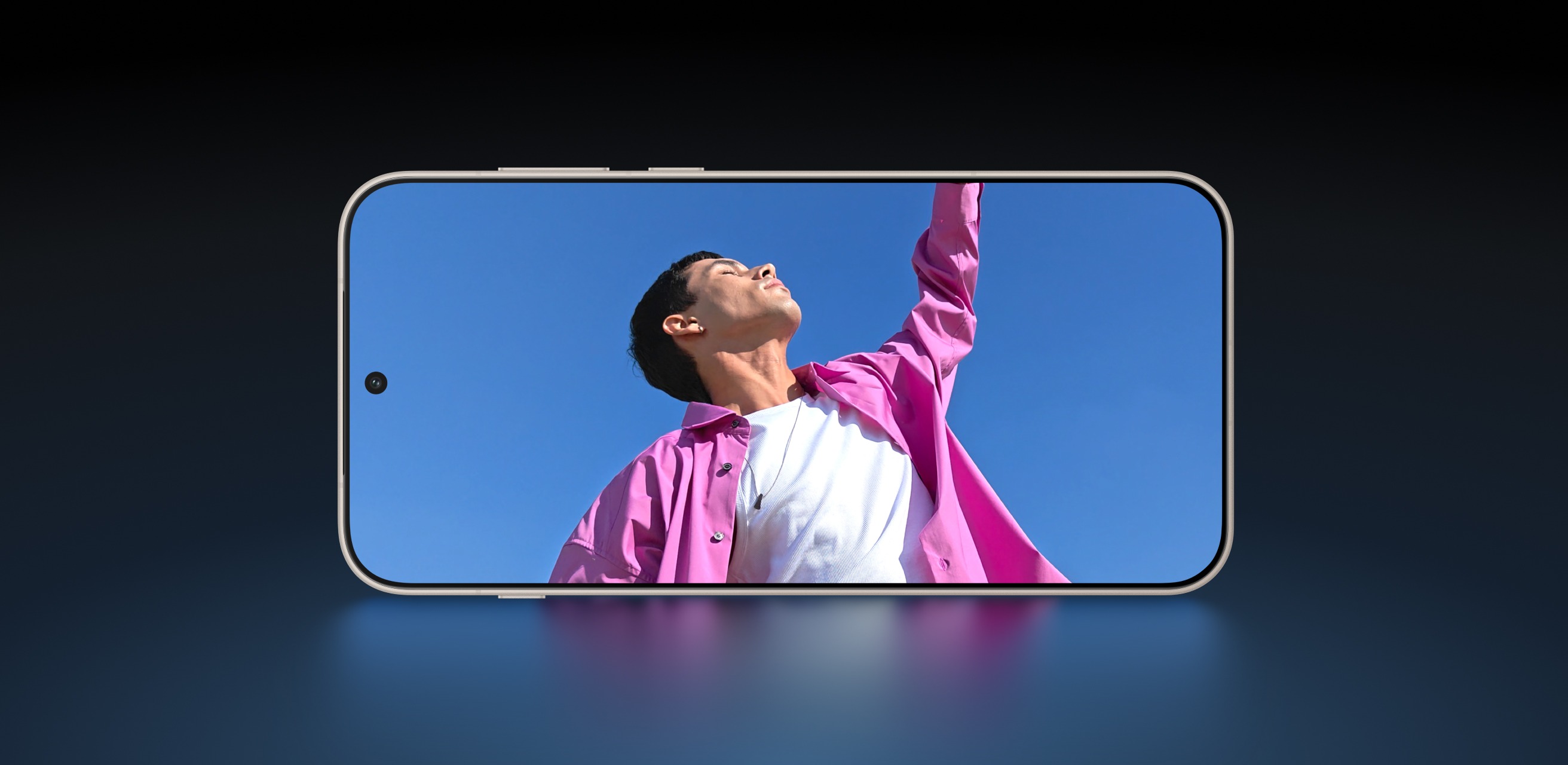
However, this is where the story of this show turns difficult. In an unexpected and frankly, a bit frustrating move, OnePlus has taken a step backwards and fitted the OnePlus 15 with a lower resolution screen for the first time since the OnePlus 7 Pro. It reduces the resolution from a sharp 2K (Quad HD+) to 1.5K (FHD+). Details are slightly less sharp and are not the “pixel-free” experience that we’ve grown accustomed to, but the panel is still excellent at creating images and isn’t a fuzzy jumble.
In my view, the jump from 120Hz to 165Hz gives decreasing results and seems more like a step toward winning a numbers game than providing people with a real advantage. This mars what is otherwise a wonderful piece of hardware.
OnePlus 15 Software: Quality of Life Upgrades with OxygenOS 16
- Software – OxygenOS 16
- Version – Android 16
- Updates Promised –
OnePlus 15 runs on OxygenOS 16, the company’s own variant of the latest Android 16 software. Although it doesn’t significantly differ from OxygenOS 15, it has a number of quality-of-life improvements that come together to provide for an excellent software experience. The design idea underlying OxygenOS 16 has obviously been patterned by Apple’s Liquid Glass concept in iOS 26, and it incorporates comparable aspects, such as Gaussian blur effects and transparent layers across the Quick Settings, system menus, and animations.
One of OnePlus’s greatest improvements is the Quick Settings screen. Although there are many additional customization possibilities, the panel may seem a lot like OxygenOS 15. This also holds true for the lock and home screens, which are very customizable. For instance, you may repeat your favorite memories and set video backgrounds for both screens.
The Predictive Back gesture, which predicts the app experiences you’re going to and from and gives a visual clue of the previous screen, is another noteworthy innovation. This helps prevent inadvertent departures and enhances the navigation flow. There’s also a new dedicated AI area under the phone settings, from where you can alter standard OnePlus AI services, such as AI Search, AI Writer, and Plus Mind.
One of OnePlus’s greatest improvements is the Quick Settings screen. Although there are many additional customization possibilities, the panel may seem a lot like OxygenOS 15. This also holds true for the lock and home screens, which are very customizable. For instance, you may repeat your favorite memories and set video backgrounds for both screens.
The Predictive Back gesture, which predicts the app experiences you’re going to and from and offers a visual hint of the previous screen, is another noteworthy innovation. This helps prevent inadvertent departures and enhances the navigation flow. There’s also a new dedicated AI area under the phone settings, from where you can alter standard OnePlus AI services, such as AI Search, AI Writer, and Plus Mind.
Speaking of the latter, the iconic three-stage alert slider has been replaced with the new Plus Key. The feature functions precisely like the OnePlus 13s, with the exception of a new functionality that allows it to integrate with Gemini to aid recall information using natural language prompts. In our OnePlus 13s review, you can learn more about the Plus Key, Plus Mind, and other features.
OnePlus 15 Performance: Big Gains
- Processor – Snapdragon 8 Elite Gen 5
- Memory – Up to 16GB, LPDDR5X Ultra+
- Storage – Up to 512GB, UFS 4.1
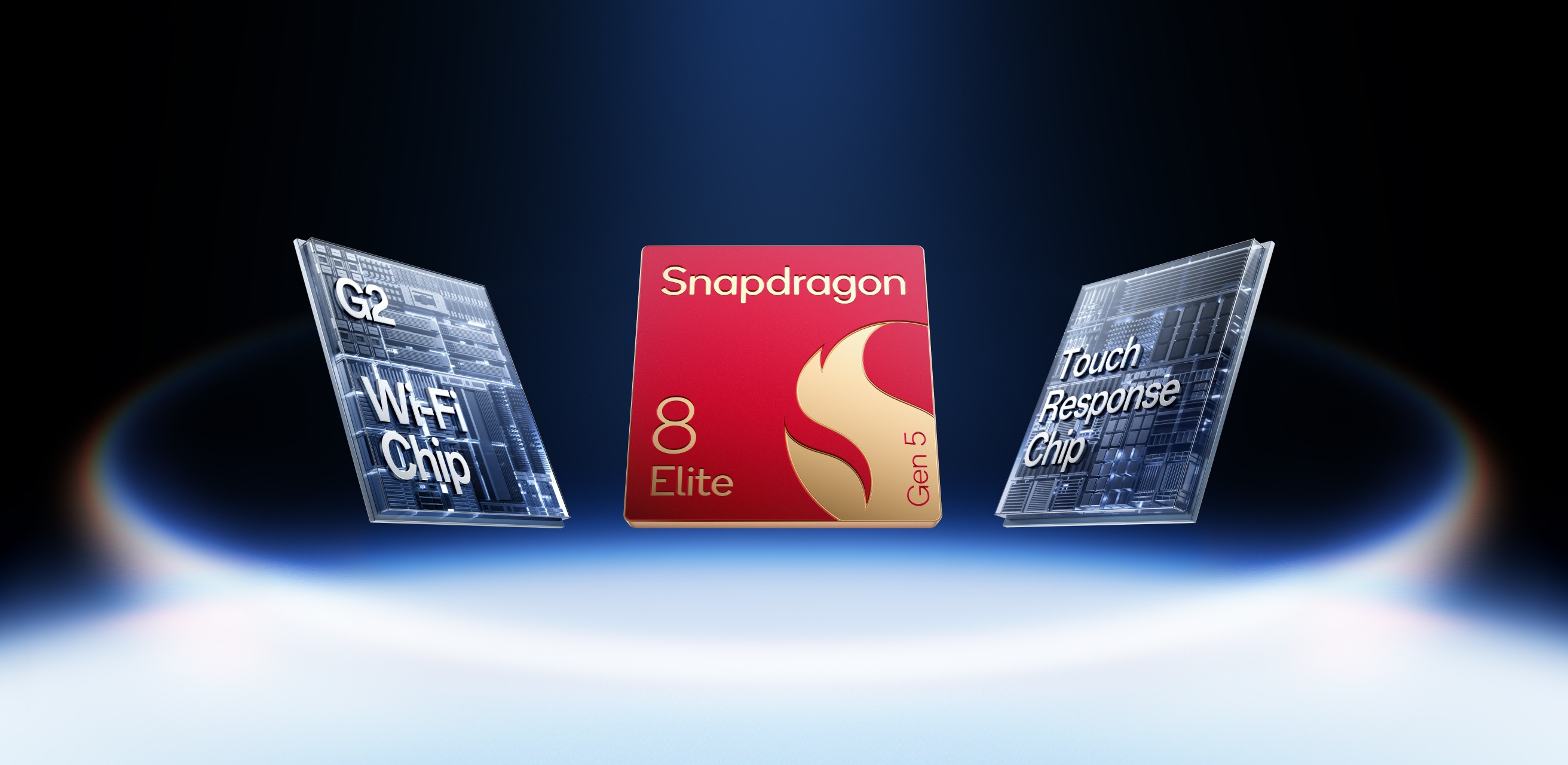
While the display option is a subject of discussion, the performance of the OnePlus 15 firmly ensures its flagship position. It is the first smartphone to introduce Qualcomm’s top Snapdragon 8 Elite Gen 5 chipset to the Indian market. A OnePlus Performance Tri-Chip, up to 16GB of LPDDR5X Ultra+ RAM, and up to 512GB of UFS 4.1 internal storage are among its other high-end features.
Daily use is faultless and completely lag-free, as anticipated. The OnePlus 15 retains the smoothness of a flagship device whether browsing the user interface, quickly switching between a dozen apps, or loading large amounts of media. But it’s really put to the test when you play games with a lot of graphics. And here, the OnePlus provides a terrific sustained performance, boosted by its exclusive OP Gaming Core technology.
A crucial aspect of it is the new OnePlus Performance Tri-Chip, which unites three physical chips and combines optimisations with hardware and software tools for enhanced control, responsiveness, and stability. It performs consistently, offering excellent touch responsiveness and controllable thermals.
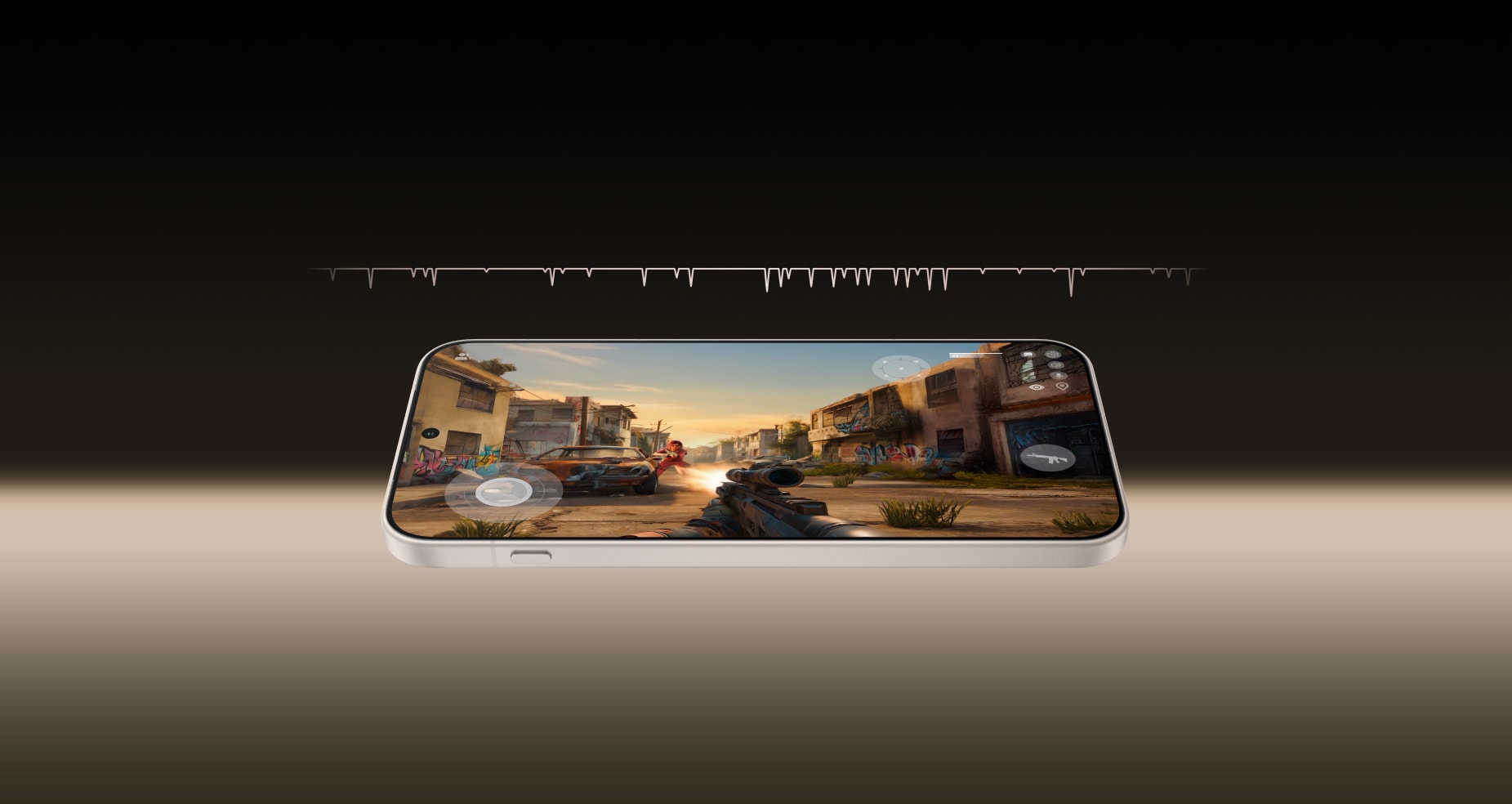
Even with the graphical settings set to highest, the OnePlus 15 maintains great frame rates in well-known games like Battlegrounds Mobile India and Call of Duty: Mobile. The manufacturer promises native 165Hz capability for the aforementioned titles, and the handset easily produced a consistent 155-160fps without any harsh throttling or heat buildup. The device was able to sustain a 60fps frame rate at the Render Resolution with everything else set to “high,” even if the computational load does rise in demanding games like Genshin Impact.
The OnePlus 15 doesn’t start to exhibit considerable heating until after extended gaming sessions. Even then, it is generally contained to the upper half of the body and away from the major regions where you hold it, seldom getting uncomfortably hot. This is probably owing to the new 360 Cryo-Velocity Cooling system, which has a bigger VC, manufactured from a tearable steel substance.
OnePlus 15 Cameras: Decent
- Rear – 50-megapixel primary (f/1.8) + 50-megapixel ultra-wide-angle (f/2.8) + 50-megapixel telephoto (f/2.0)
- Front – 32-megapixel (f/2.4)
Yet another contentious modification on the OnePlus 15 is its camera setup. The business has discontinued its partnership with Hasselblad and unveiled its brand-new, exclusive DetailMax photography technology. It still has a 50-megapixel triple camera unit, but almost all of the cameras have smaller sensors—at least in theory. However, this seldom transfers into the real-world experience, so how does the OnePlus 15 camera system fare? In summary, it is a mixed bag.
First off, in both daylight and low-light conditions, the 50-megapixel main sensor works quite well. The device can handle challenging exposures by controlling highlights and capture fine details in well-lit environments. This also holds true for low-light images, which often have striking detail and little noise.
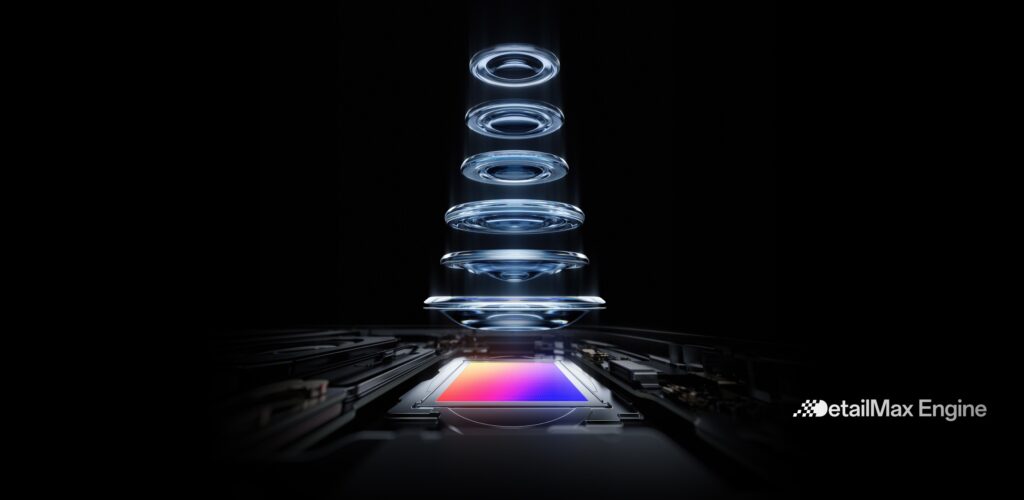
A constant issue, however, is that some photographs seem to appear a touch oversaturated, even without any specialist settings applied. The new DetailMax engine, which adds extra processing to make up for the reduced size, seems to be the sole problem, but I’m not really sure what else may be to blame. Now that Hasselblad is no longer involved, OnePlus is anticipated to use its exclusive photographic technology into all of its next models. Additionally, I observed that the software has a propensity to aggressively brighten faces, much like a Pixel.
In favorable light, the OnePlus 15’s 50-megapixel ultra-wide-angle lens likewise performs admirably. Despite having a large field of vision (FoV), it is able to prevent barrel distortion. Although it took softer and noisier pictures than the main sensor, its low-light performance is tolerable.
A 50-megapixel telephoto camera with 3.5x optical zoom and 7x hybrid zoom is also included with the OnePlus 15. It is able to take well-balanced pictures with a respectable level of detail in both bright and dim light. In good illumination, the 7x hybrid zoom is also functional; but, in unfavorable lighting, noise intrudes.
The phone can magnify images up to 120 times overall. At this level, the subject seems a blurry jumble in the camera viewfinder, but the post-processing does miracles and makes them semi-recognisable. However, because of the effort at noise reduction, you will still see smearing and smoothing around the margins of objects.
When it comes to portrait photography, the OnePlus 15 does a fantastic job of capturing the edges and separating the subject from the backdrop. Despite improvements, its portrait camera still falls short of what we’ve seen from Vivo and Oppo, the sister brand of OnePlus.
Moving on, the selfie camera is a dependable performer across the board. It is suitable for both daytime, low-light, and portrait pictures. The 32-megapixel sensor produces detailed photographs with acceptable exposure. It’s important to note that popular features like the X-Pan mode are no longer accessible as a result of the Hasselblad relationship ending, which is a huge loss.
OnePlus 15 Battery: Big Win
- Battery Capacity – 7,300mAh
- Wired Charging – 120W
- Wireless Charging – 15W
- Charger – 120W
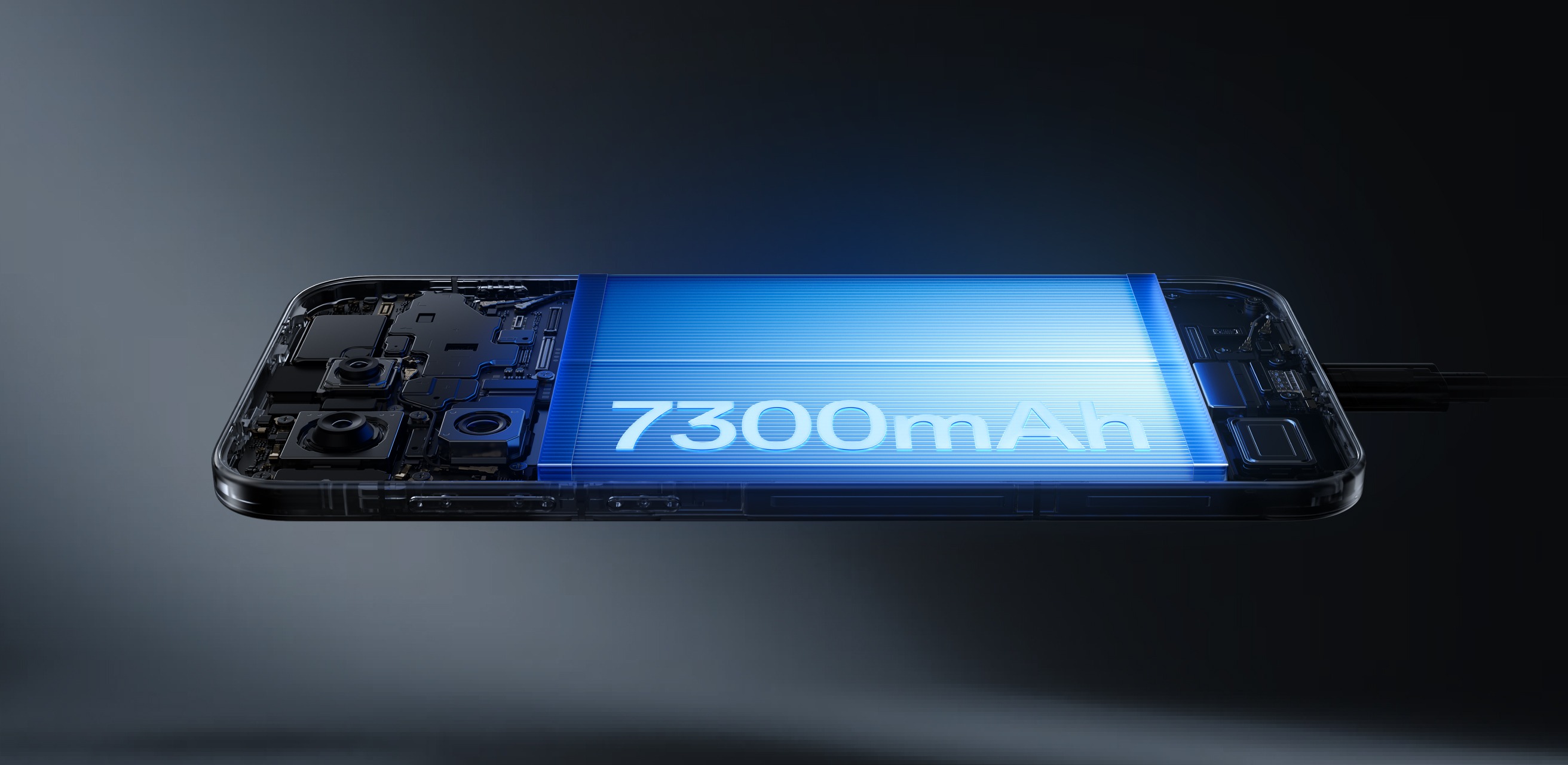
Thanks to the enormous 7,300mAh capacity, the business has almost completely eliminated battery anxiety with the OnePlus 15. The new flagship has an incredibly long battery life. The phone may run for up to two days on a single charge if you’re a casual user who uses it for things like chatting, browsing, and light media consumption. I got approximately 11–12 hours of screen time with regular use, which is great.
Power users will still be able to get more than a day’s performance from the OnePlus 15 before needing a top-up.
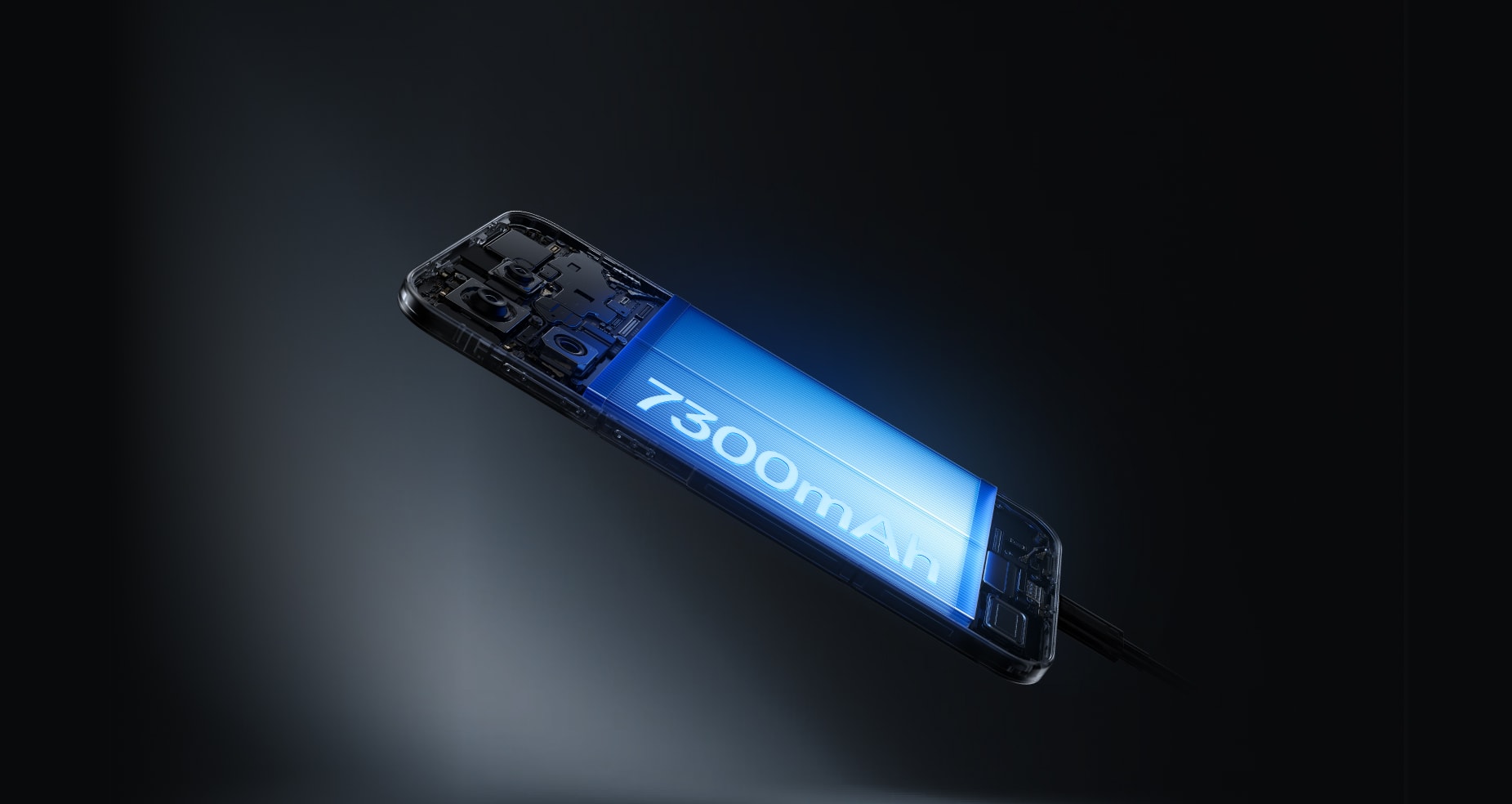
I think the OnePlus 15’s charging speed is the quickest I’ve ever seen on a smartphone. Thanks to 120W cable charging and up to 50W wireless charging, it can be charged from 0 to the “Fully Charged” status in around 35 minutes, which is absurdly quick for a phone with a 7,300mAh battery. Its charging capacity greatly outpaces the 45W standard currently used by another smartphone, which is regarded as the greatest flagship smartphone. (Yes, Samsung, you are on our radar).
OnePlus 15 Verdict
It’s difficult to write the OnePlus 15 decision, and it can be a lesson in competing priorities. It is a really capable phone that is limited by a few perplexing choices. The handset boasts flagship-tier performance owing to the Snapdragon 8 Elite Gen 5 CPU, keeps cool due to its unique thermal management technology, and offers longer battery life with its enormous 7,300mAh battery. The program is also feature-rich, quick, and well-designed.
However, the compromise of the 2K display resolution for a 165Hz refresh rate feels like a blunder. It also falls short of becoming the greatest photography smartphone available due to the downgraded camera sensors and their propensity for oversaturation.
Take control with the strength of the LPDDR5X Ultra+ Snapdragon® 8 Elite Gen 5 processor, which is enhanced by OP Gaming Core.
Experience perfectly stable, always-on 120 FPS in games like MLBB.
Power up with 120W SUPERVOOC and 50W AIRVOOC.
Plus Mind: Your Powerful Personal Intelligence.

Gemini is now connected to Mind Space for a truly personalized experience. Think tailored help for travel, work, study and more.

Get Google AI Pro with 2TB of cloud storage for 3 months with your OnePlus 15.